Index funds beat most professionals. I say that as an adviser.
Index investing has the strongest plain-language pitch in finance: own everything, pay almost nothing, accept the market's return. A Singapore investor can buy a world-tracking ETF through any local brokerage, pay a fraction of a percent a year, and over the long run beat most professionals who tried harder.
I work in active management. And I'll tell you straight: the pitch is largely true.
The evidence has been consistent for decades. Most actively managed funds underperform their benchmarks over long periods, mainly because of costs. Every percent of fees must be earned back before the investor sees a cent of outperformance. Indexing wins by refusing to enter that race. For a disciplined person with a long horizon, a boring portfolio of broad index funds, bought regularly and left alone, is a genuinely excellent plan.
Did you catch the load-bearing words? Disciplined. Left alone.
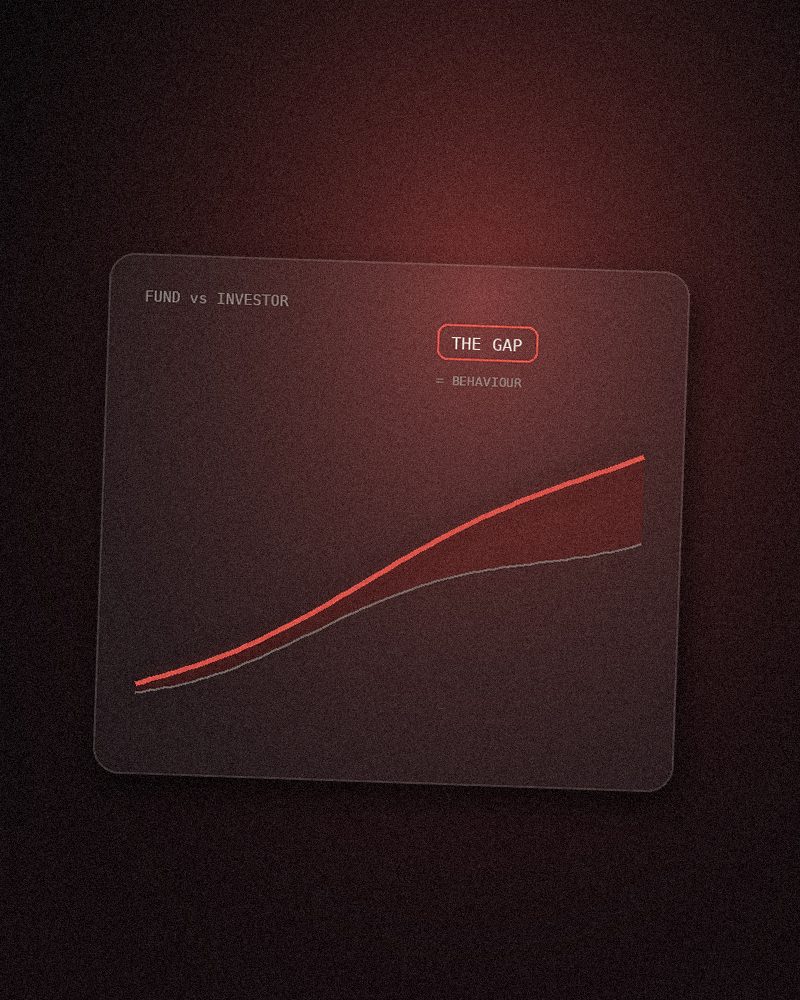
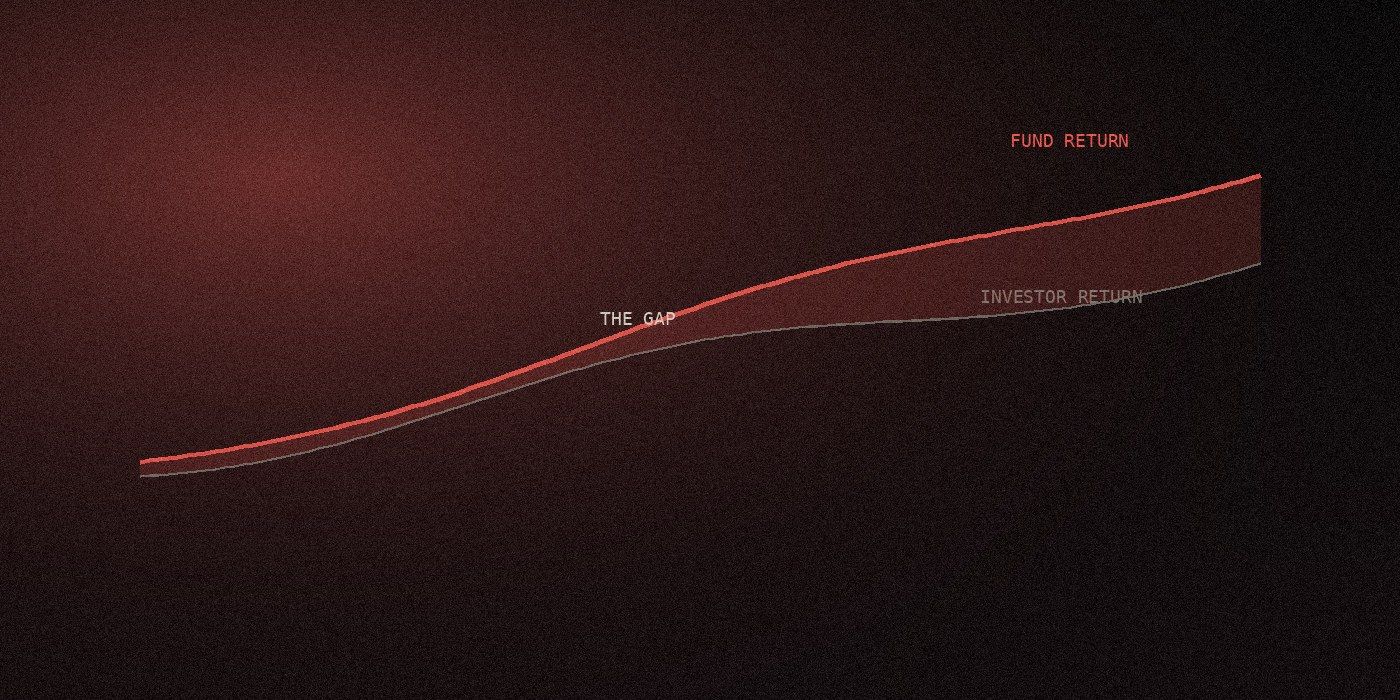
This is where tidy theory meets untidy humans. The index fund doesn't panic. Its owner can. The same investor who refuses to pay an adviser one percent will cheerfully destroy six percent by selling in a crash and buying back after the recovery, and no factsheet ever records that loss, because it happened in the investor's behaviour rather than in the fund. Study after study finds a gap between fund returns and investor returns for exactly this reason. The cheapest instrument in the world cannot fix the hands holding it.
So my position, as someone who earns a living from advice, is this. The instrument question matters less than people think. The behaviour question matters more.
If you can automate your investing, ignore the noise, hold through drawdowns, rebalance on schedule, and resist tinkering, you may not need someone like me for the investment piece. I mean that without irony. I'll also tell you that in years of looking at real statements, I've rarely met that investor in the wild. Most of us are busy, distracted, and human, which is not a character flaw. It just means the real comparison is never index fund versus adviser. It's the portfolio you'd actually maintain versus the one someone maintains for you, and for that second job, advice earns its fee on the investment piece too, alongside protection structure, CPF and SRS decisions, and coordinating the whole picture.
If instead you know, from honest evidence about yourself, that you check prices at midnight, sell when headlines darken, or simply never start, the calculation changes. You're not hiring stock-picking. You're hiring the enforcement of rules you won't enforce on yourself. That's the spirit of PEAK, my framework: written entry and exit conditions, daily monitoring, a person who acts on schedule instead of on feeling. Whether that enforcement lives inside an ILP, a managed portfolio on iFAST, or a standing arrangement with someone you trust matters less than whether it exists at all.
Which kind of investor are you? Not aspirationally. Actually. Your past behaviour in 2020 and 2022 already answered, if you're willing to look.
Be wary of anyone in my industry who trashes indexing to sell you something. Be equally wary of the online certainty that fees are the only variable that matters, usually voiced by someone who hasn't yet lived through a real crash with real money. (The internet is full of undefeated investors who started in 2023.)
Costs matter enormously. Behaviour matters more. Get both right and the label on the wrapper becomes a detail.
Every insight here is written or reviewed by me before it publishes. If it carries my name, I have read every word.