Most Singaporeans think MediShield covers everything. It doesn't.
Say the words health insurance to most Singaporeans and you'll hear some version of: I'm covered, we have MediShield.
Half true. The missing half is where families get hurt financially, so let's lay out what MediShield Life actually does, what it deliberately does not do, and how to find your own gaps before a hospital stay finds them for you.
MediShield Life is the national health insurance covering every citizen and PR for life, regardless of pre-existing conditions. That universality is its great strength, and it does real work: it's designed to take the sting out of large hospital bills, sized for stays in public hospital B2 and C class wards, plus certain costly outpatient treatments like dialysis and chemotherapy. Premiums come from MediSave, and for big bills in subsidised wards it genuinely protects families from ruin.
Now the boundaries, because every insurance product is defined by them.
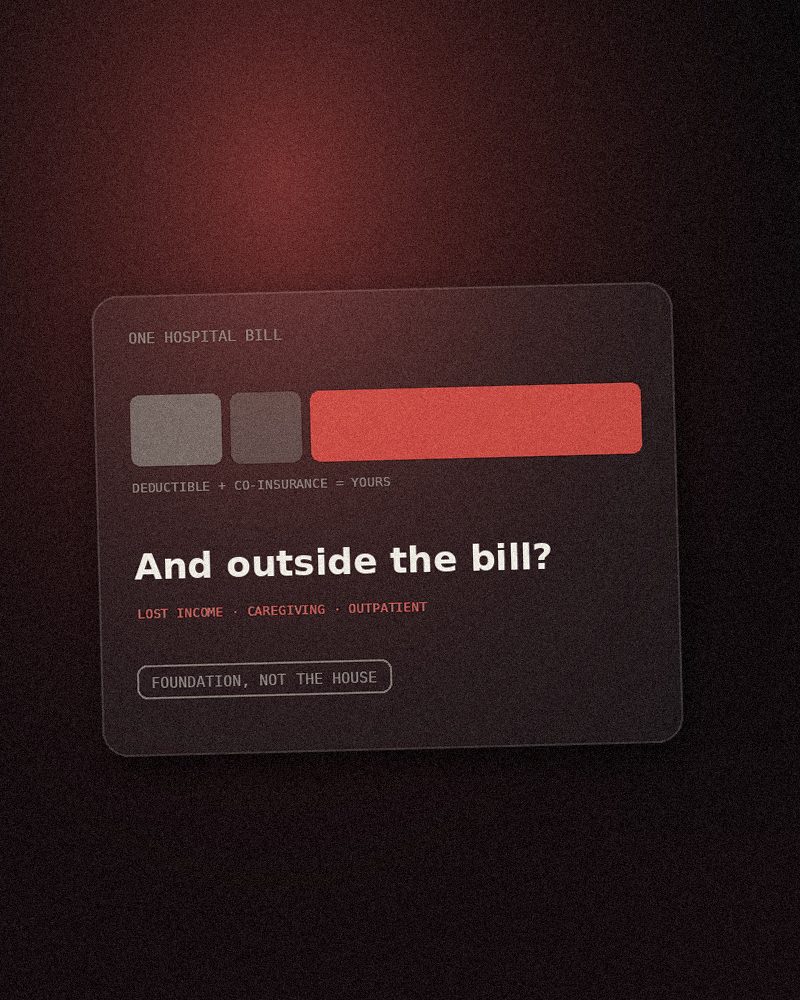
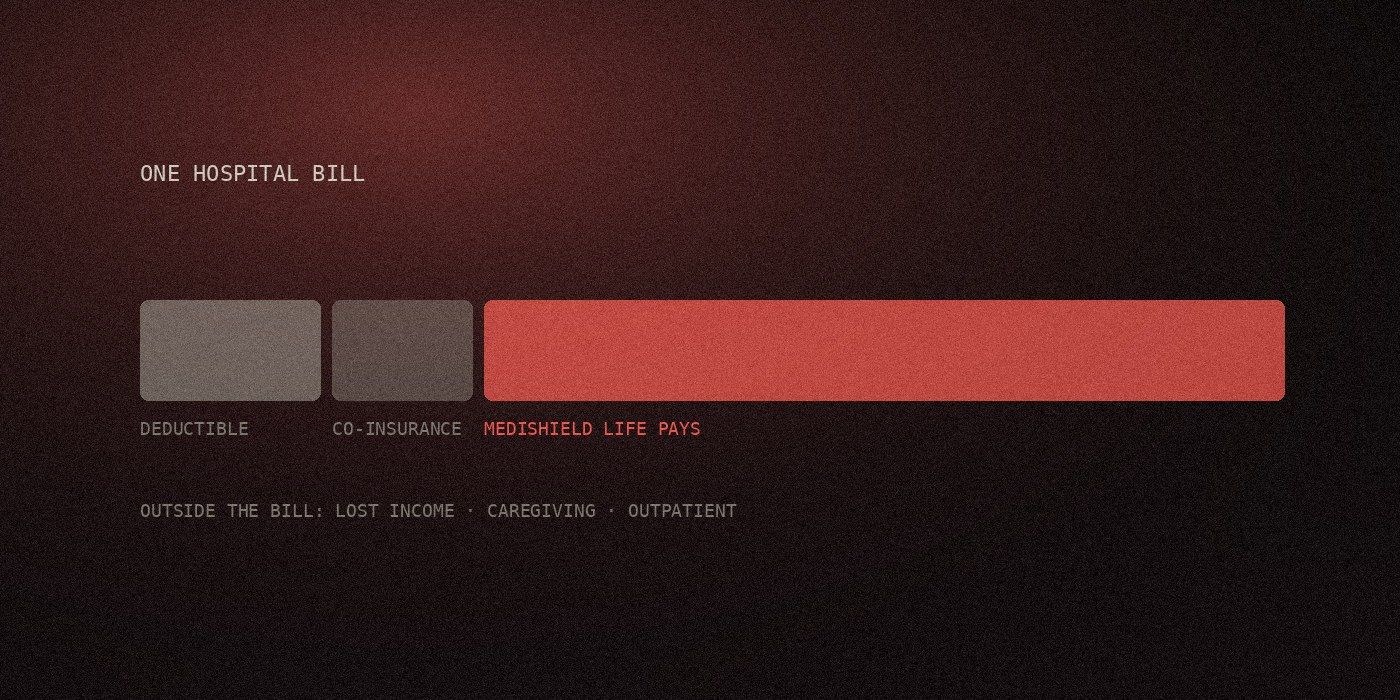
First, the sizing. Claim limits are pegged to subsidised ward costs. Get admitted to an A class ward or a private hospital and MediShield Life still pays, but pro-ration kicks in and covers a small fraction of a much larger bill. The rest is yours. Second, you pay the first part of any claim through the annual deductible, plus a co-insurance percentage of the remainder. Third, claim limits apply per policy year. Most routine bills fit within them, but the structure exists and you should know it does.
This is the gap Integrated Shield Plans exist to fill: private insurance stacked on MediShield Life, extending cover to higher ward classes and larger limits, with premiums paid partly from MediSave up to the withdrawal caps and partly in cash. Riders can shrink the deductible and co-insurance further, for cash premiums that climb meaningfully with age. Whether you need an IP comes down to an unglamorous question: which ward would you honestly want to wake up in, and what will the premiums look like when you're seventy, not just today?
And then there's the gap no hospitalisation plan covers at all. Everything outside the hospital bill.
The income that stops if you can't work for a year. The caregiver. The outpatient specialist visits and scans that never involve admission. Long-term disability, which belongs to CareShield Life and its supplements. The critical illness costs that arrive in the years after discharge. Hospital insurance pays hospitals. It does not pay your mortgage while you recover.
I learned the distinction the hard way when my father had his stroke. The hospital bill turned out to be the manageable part. (Nobody warns you about that. Consider yourself warned.)
The takeaway fits in three questions. Which ward class would you actually choose, and does your cover match it? If you couldn't work for twelve months, what income arrives, and from where? And can you answer the first two without guessing?
If not, a one-hour review fixes it. MediShield Life is a good foundation. It was never designed to be the whole house, and the difference is the part your family lives in.
Every insight here is written or reviewed by me before it publishes. If it carries my name, I have read every word.