 LU JIA JUN
Why your adviser stopped calling

You bought a policy a few years ago. For the first few months there were calls, a birthday message, maybe a festive hamper. Then silence.
Sound familiar?
I can describe this pattern before a client opens their folder, because I see it weekly. The policy has been running untouched for six years in whatever fund it was placed in on day one. Nobody decided this should happen. It's the natural result of how the industry pays people.
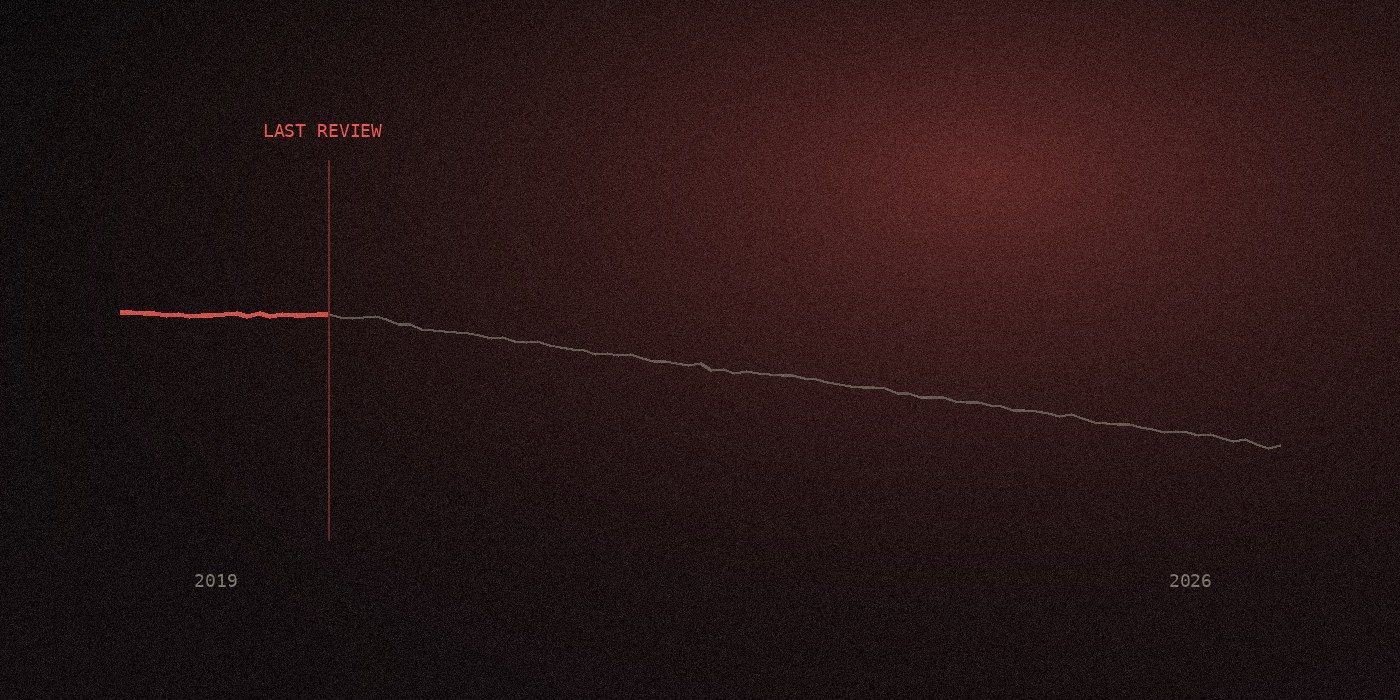
Most of the compensation for an insurance sale arrives in the first year or two. After that, the economics tell your adviser to find the next client, not to keep serving you. Some advisers fight that gravity. Others leave the industry, and their clients get reassigned to a stranger or to nobody. I'm not pointing fingers at individuals; good people respond to the incentives in front of them. But you should know the silence around your policy is structural, not personal.
Why does silence cost money? Because an ILP is not a fixed deposit. The funds inside it move every trading day. Sectors take turns leading, regions fall in and out of favour, and the fund that suited 2019 may be exactly wrong for 2026. An unreviewed policy carries yesterday's decisions into today's market, indefinitely.
Sometimes that works out. Luck is generous like that, occasionally.
A looked-after policy looks different in four ways. Someone actually checks it: I look at my clients' portfolios every market day, so a problem surfaces in days rather than at an annual review fifteen months after the damage. Recommendations follow written rules: the fund line-up, when a fund is replaced and when a portfolio is rebalanced are all set down in PEAK, committed to paper before any particular crisis, because decisions made inside a panic are reliably the worst ones. When a change is due, you get it in plain English, in a short note that says what I recommend and why, and nothing is switched until you approve it. And your questions reach a person who answers, not a hotline with a queue.
Does any of that guarantee performance? No, and be suspicious of anyone who implies otherwise. Markets fall, and monitoring doesn't repeal risk. What attention buys is the removal of unforced errors: the policy stranded in a momentum fund through a crash, the fees nobody noticed, the allocation that stopped matching your life when your second kid arrived. Removing unforced errors is unglamorous.
It's also most of the job.
If your policy has gone quiet, you have three honest options. Keep ignoring it, which is a decision even when it doesn't feel like one. Manage it yourself, which works if you have the time and the temperament. Or put someone back at the wheel, and if that ever means replacing the policy, weigh the surrender charges and the cover you'd lose before anything moves.
Whichever you pick, start with one email to whoever sold it to you: when was my fund allocation last reviewed, and what was the conclusion? Then watch what happens. A real answer within a few days tells you something. Three weeks of silence tells you more.
A policy is a promise that needs maintenance. Six years of quiet is not maintenance, and you're allowed to say so.
Every insight here is written or reviewed by me before it publishes. If it carries my name, I have read every word.
Lu Jia Jun · Financial Adviser Representative, Great Eastern Financial Advisers · RNF LJJ300837068. General information only, not financial advice.